Daily Budgeting: Your Path to Financial Freedom in Uganda
Welcome to Zindi Finance, your trusted resource for financial literacy in Uganda. This guide provides practical tips and strategies for creating and maintaining a daily budget, empowering you to take control of your finances and achieve your financial goals. Whether you're based in Kampala or any other part of Uganda, these principles can help you build a secure financial future.
Introduction to Budgeting
Budgeting is a fundamental skill for managing your money effectively. A budget is a plan for how you will spend your money, ensuring that your income covers your expenses and allows you to save for the future. In Uganda, where economic conditions can be challenging, having a daily budget can provide clarity, reduce financial stress, and help you make informed financial decisions.
Why is daily budgeting important?
- Increased Awareness: Knowing where your money goes each day gives you a clear picture of your spending habits.
- Debt Reduction: A budget helps you prioritize debt repayment and avoid unnecessary borrowing.
- Savings Goals: You can allocate funds for specific savings goals, such as education, healthcare, or investments.
- Financial Security: A budget provides a safety net for unexpected expenses and emergencies.
Tracking Income and Expenses
The first step in creating a daily budget is to track your income and expenses. This involves recording all sources of income and all expenses, no matter how small. Accurate tracking is crucial for understanding your financial situation and identifying areas where you can save money.

Tracking expenses is essential for understanding your spending habits.
How to Track Income:
- Identify All Income Sources: Include your salary, business income, remittances, and any other sources of money you receive.
- Record Income Immediately: Keep a record of each income deposit or payment you receive.
- Use a Tracking Tool: You can use a notebook, spreadsheet, or mobile app to record your income.
How to Track Expenses:
- Categorize Your Expenses: Divide your expenses into categories such as housing, food, transportation, utilities, entertainment, and miscellaneous.
- Record Every Expense: Note down every shilling you spend, no matter how small. This includes airtime, boda-boda fares, and market purchases.
- Use a Tracking Method: Choose a method that works for you, such as a notebook, spreadsheet, or mobile app.
- Keep Receipts: Save receipts for larger purchases to ensure accurate tracking.
Creating a Budget Spreadsheet
A budget spreadsheet is a powerful tool for organizing your income and expenses. It allows you to visualize your financial situation and identify areas where you can make adjustments. You can create a spreadsheet using software like Microsoft Excel or Google Sheets, or use a pre-designed template from Zindi Finance.
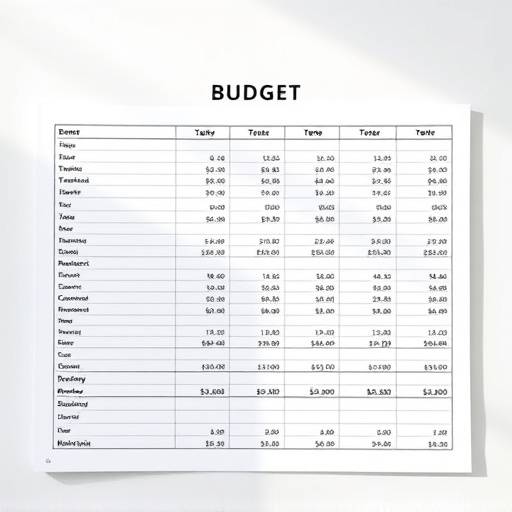
A budget spreadsheet helps you organize your finances effectively.
Steps to Create a Budget Spreadsheet:
- List Your Income: Enter all sources of income in the first section of the spreadsheet.
- List Your Expenses: Categorize your expenses and enter the estimated or actual amount for each category.
- Calculate the Difference: Subtract your total expenses from your total income to determine your net income (surplus or deficit).
- Adjust Your Expenses: If you have a deficit, identify areas where you can reduce spending to balance your budget.
Here's an example of a simple daily budget table:
| Category | Estimated Amount (UGX) | Actual Amount (UGX) |
|---|---|---|
| Food | 5,000 | 4,500 |
| Transportation | 3,000 | 3,500 |
| Airtime | 2,000 | 2,000 |
| Miscellaneous | 2,000 | 1,500 |
| Savings | 3,000 | 3,000 |
Sticking to Your Budget
Creating a budget is only the first step. The real challenge is sticking to it. This requires discipline, commitment, and a willingness to make lifestyle changes if necessary. Here are some tips for staying on track:
- Set Realistic Goals: Don't try to cut too much too quickly. Start with small, achievable goals.
- Prioritize Your Needs: Focus on essential expenses first, such as food, housing, and transportation.
- Avoid Impulse Purchases: Think carefully before buying anything that is not essential.
- Use Cash: Using cash can help you stay within your budget by making you more aware of your spending.
- Find Support: Share your budgeting goals with a friend or family member for accountability.
Consider using mobile payment solutions like mobile money responsibly to manage expenses, and explore expense management techniques to further refine your daily spending.
Reviewing and Adjusting
Your budget is not set in stone. It's important to review your budget regularly and make adjustments as needed. Life circumstances change, and your budget should reflect those changes. Review your budget weekly or monthly to ensure it still meets your needs and goals.
Questions to Ask During a Budget Review:
- Are you meeting your savings goals?
- Are there any areas where you are consistently overspending?
- Have your income or expenses changed?
- Are there any new financial goals you want to pursue?
Based on your review, make adjustments to your budget as needed. This may involve reducing expenses, increasing income, or reallocating funds to different categories. Remember, budgeting is an ongoing process, and flexibility is key to success.
For more insights into managing your family's finances, visit our Family Needs page.
Zindi Finance is committed to empowering individuals and families in Uganda to achieve financial well-being. By following these daily budgeting tips, you can take control of your finances, reduce stress, and build a secure financial future. Remember to check our homepage for more resources, and feel free to contact us with any questions.
Contact Zindi Finance:
Plot 42, Nakasero Road, Kampala, Uganda
Phone: +256 196118241
Email: info@zindifinance.ug
Read our Accessibility Statement , Privacy Policy , Terms and Conditions , and Cookies Policy for more information.