Mastering Expense Management in Uganda
Welcome to Zindi Finance's guide to effective expense management, tailored specifically for the Ugandan context. Understanding and controlling your expenses is a cornerstone of financial well-being. This guide will provide you with practical strategies to identify, reduce, and track your expenses, empowering you to achieve your financial goals.
Identifying Expense Categories
The first step towards effective expense management is understanding where your money is going. Categorizing your expenses provides valuable insights into your spending habits. Common expense categories include:
- Housing: Rent or mortgage payments, property taxes, and homeowners insurance. In Uganda, this may also include expenses related to land ownership or traditional housing arrangements.
- Transportation: Fuel, public transport fares (boda-boda, taxis, buses), car maintenance, and parking fees. Consider the most cost-effective transportation options available in your area.
- Food: Groceries, eating out, and takeaway meals. Ugandan cuisine can be both affordable and nutritious when prepared at home.
- Utilities: Electricity, water, gas, and internet. Explore ways to conserve energy and water to reduce your utility bills.
- Healthcare: Medical insurance, doctor's visits, and medication. Investigate affordable healthcare options and preventive measures.
- Education: School fees, tuition, books, and supplies. Prioritize education for yourself and your family, but also explore scholarship and bursary opportunities.
- Personal Care: Clothing, toiletries, and haircuts. Plan your purchases and look for sales and discounts.
- Entertainment: Movies, concerts, and social outings. Set a budget for entertainment and find free or low-cost activities.
- Debt Repayment: Loan payments, credit card bills, and other debts. Prioritize debt repayment to reduce interest charges.
- Savings and Investments: Allocating funds for future goals, such as retirement, education, or a down payment on a property. Start saving early and consistently, even if it's a small amount.
- Mobile Payments & Airtime: Recharging your phone for calls and mobile money transactions, a vital part of daily life in Uganda. Shop around for the best mobile data deals.
- Family Support: Sending remittances to relatives or providing financial support to family members, a common practice in Ugandan culture. Set clear boundaries and expectations for financial assistance.
To get a clear picture of your spending, track your expenses for a month. You can use a notebook, a spreadsheet, or a mobile app.
Cutting Unnecessary Expenses
Once you've identified your expense categories, it's time to look for areas where you can cut back. Start by identifying "wants" versus "needs."
- Review Subscription Services: Are you paying for streaming services, gym memberships, or other subscriptions that you rarely use? Cancel them to save money.
- Reduce Eating Out: Cooking at home is almost always cheaper than eating out. Plan your meals and prepare your own lunches and dinners.
- Shop Around for Insurance: Compare rates from different insurance providers to find the best deal on car, home, and health insurance.
- Negotiate Bills: Contact your service providers (internet, mobile phone, cable) and ask for a lower rate. You may be surprised at how willing they are to negotiate.
- Reduce Energy Consumption: Turn off lights when you leave a room, unplug electronics when they're not in use, and use energy-efficient appliances.
- Limit Impulsive Purchases: Avoid making unplanned purchases. Give yourself time to think about whether you really need something before you buy it.
Remember, small changes can add up to significant savings over time. Be disciplined and stay focused on your financial goals.
Negotiating Bills
Don't be afraid to negotiate your bills. Many companies are willing to lower their prices to retain your business. Here are some tips for negotiating bills in Uganda:
- Do Your Research: Before you negotiate, research the rates offered by competitors. This will give you leverage in your negotiations.
- Be Polite and Respectful: Treat the customer service representative with courtesy and respect. Explain your situation and why you're asking for a lower rate.
- Highlight Your Loyalty: If you've been a long-time customer, mention this to the representative. They may be more willing to offer you a discount.
- Ask for a Discount: Don't be afraid to directly ask for a discount. You can say something like, "I'm considering switching to a different provider. Is there anything you can do to lower my bill?"
- Escalate to a Supervisor: If the customer service representative is unwilling to help you, ask to speak to a supervisor. They may have more authority to offer discounts.
- Be Prepared to Walk Away: If you're unable to negotiate a lower rate, be prepared to switch to a different provider. This will show the company that you're serious about saving money.
Saving Money on Groceries
Groceries are a significant expense for most households. Here are some strategies for saving money on groceries in Uganda:
- Plan Your Meals: Before you go shopping, plan your meals for the week. This will help you avoid impulse purchases and reduce food waste.
- Make a Shopping List: Create a shopping list based on your meal plan and stick to it.
- Shop at Local Markets: Local markets often offer lower prices than supermarkets. Visit Owino Market or Nakasero Market in Kampala for fresh produce and other groceries.
- Buy in Bulk: Purchase non-perishable items in bulk to save money.
- Compare Prices: Compare prices at different stores before you buy.
- Use Coupons and Discounts: Look for coupons and discounts in newspapers, magazines, and online.
- Grow Your Own Food: If you have space, consider growing your own vegetables and herbs.
- Reduce Food Waste: Store food properly and use leftovers creatively.
- Buy Seasonal Produce: Fruits and vegetables are typically cheaper when they are in season.
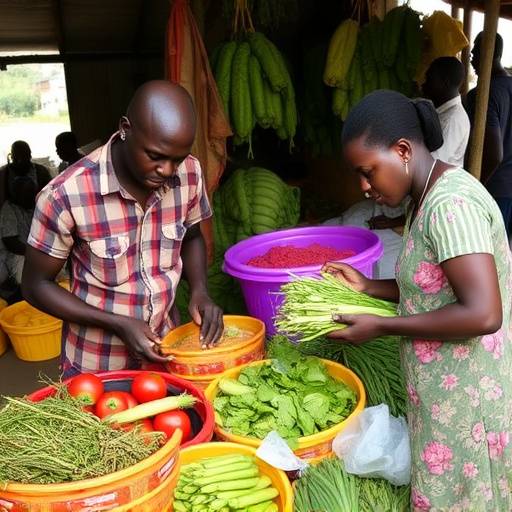
"A shilling saved is a shilling earned." - Ugandan Proverb
Using Technology for Expense Tracking
Technology can be a powerful tool for tracking and managing your expenses. Consider using a budgeting app or spreadsheet to monitor your spending. Popular options include:
- Mobile Money Apps: Many mobile money apps in Uganda, like MTN MoMo and Airtel Money, offer transaction history features that can help you track your spending.
- Spreadsheets: Create a simple spreadsheet using Google Sheets or Microsoft Excel to record your income and expenses.
- Budgeting Apps: Explore budgeting apps designed for personal finance management. Some popular options include Mint, YNAB (You Need A Budget), and Personal Capital. These apps can help you track your spending, set budgets, and identify areas where you can save money. However, ensure the app is compatible with Ugandan banking systems and mobile money platforms.
- Banking Apps: If you have a bank account, use your bank's mobile app or online banking portal to monitor your transactions and view your account balance.
Choose a method that works best for you and commit to tracking your expenses regularly. This will help you stay on top of your finances and achieve your financial goals.
| Date | Category | Description | Amount (UGX) |
|---|---|---|---|
| 2026-01-01 | Transportation | Boda-boda fare | 2,000 |
| 2026-01-01 | Food | Lunch at restaurant | 15,000 |
| 2026-01-02 | Groceries | Vegetables and fruits | 20,000 |
| 2026-01-02 | Utilities | Electricity bill | 50,000 |
| 2026-01-03 | Airtime | MTN airtime recharge | 5,000 |